
You Walked Away From the Crash. Now Your Head Won’t Stop Hurting
You walked away from the crash. Your car is damaged, but you felt okay at the scene. No blood, no broken bones, nothing that seemed serious enough to go to the hospital. A few hours later, you have a headache that will not go away. You feel dizzy when you stand up. Bright lights bother you. You cannot remember what you did this morning.
These are not normal post-accident symptoms. These are signs of a concussion, and if you are experiencing them, you need medical attention immediately. Concussions are traumatic brain injuries that occur when your brain is jolted inside your skull during the sudden impact of a collision. They do not always show symptoms right away, and they are often dismissed as minor when they are actually serious, potentially life-altering injuries.
At AG Injury Law, we represent car accident victims across Georgia who have suffered concussions and other brain injuries. We know how insurance companies try to minimize these claims, and we know how to prove the full extent of your injury so you can recover the compensation you need for treatment and lost income.
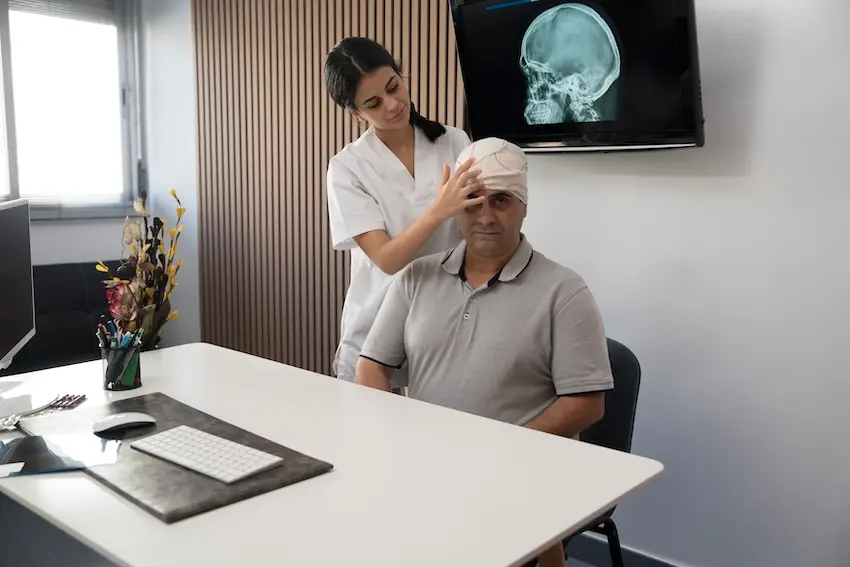
What a Concussion Actually Does to Your Brain
A concussion occurs when your brain moves violently inside your skull, typically during a sudden stop, impact, or jarring motion. In a car accident, this can happen even if your head never strikes anything. The force of the collision alone can cause your brain to slam against the inside of your skull, bruising tissue, stretching nerve fibers, and disrupting normal brain function.
The damage is not always visible on standard imaging tests like CT scans or MRIs, which is one reason concussions are frequently underdiagnosed or dismissed by emergency room doctors who are looking for bleeding or fractures. But the injury is real, and the effects can be severe and long-lasting.
Your brain controls everything your body does, from basic functions like breathing and balance to complex tasks like memory, concentration, and emotional regulation. When a concussion disrupts those functions, even temporarily, the consequences affect every part of your life.
The Most Common Signs of a Concussion After a Car Accident
Concussion symptoms can appear immediately after the crash or develop gradually over hours or days. Some symptoms are obvious. Others are subtle and easy to dismiss as stress or fatigue. If you experience any of the following after a car accident, you should seek medical evaluation as soon as possible.
Persistent Headache or Pressure in the Head
A headache that starts after the accident and does not improve with over-the-counter pain relievers is one of the most common signs of a concussion. The pain may feel like pressure, throbbing, or a dull ache that radiates across your head or concentrates in one area. If the headache worsens over time or is accompanied by nausea or vomiting, this is a medical emergency.
Dizziness, Balance Problems, or Feeling Unsteady
Concussions affect the part of your brain that controls balance and spatial awareness. If you feel dizzy when you stand up, have trouble walking in a straight line, or feel like the room is spinning, these are signs of a brain injury that requires immediate medical attention.
Confusion, Memory Loss, or Difficulty Concentrating
Difficulty remembering what happened during or immediately after the crash is a red flag for concussion. You may also struggle to focus on conversations, forget what you were about to say mid-sentence, or find yourself unable to complete simple tasks that were easy before the accident. These cognitive symptoms indicate that your brain is not functioning normally.
Sensitivity to Light or Noise
If normal lighting suddenly feels too bright or everyday sounds seem unbearably loud, your brain is struggling to process sensory information correctly. This symptom often accompanies concussions and can make it difficult to work, drive, or even stay in a normally lit room.
Nausea or Vomiting
Nausea and vomiting after a car accident, especially when combined with other symptoms like headache or dizziness, are strong indicators of a concussion. Your brain controls your digestive system, and when it is injured, those signals can become disrupted.
Fatigue or Difficulty Staying Awake
Feeling unusually tired or needing to sleep more than normal after a car accident can be a sign that your brain is working overtime to heal itself. Extreme fatigue, trouble staying awake, or sleeping far more than usual are all symptoms that should be evaluated by a doctor.
Mood Changes, Irritability, or Emotional Instability
Concussions can affect the parts of your brain that regulate mood and emotion. If you find yourself feeling unusually irritable, anxious, sad, or emotionally reactive after the crash, this may be a symptom of brain injury rather than just stress from the accident.
Difficulty Sleeping or Changes in Sleep Patterns
Some concussion victims cannot fall asleep, while others sleep excessively. Both are signs of brain injury. If your sleep patterns have changed significantly since the accident, this symptom should be reported to your doctor.
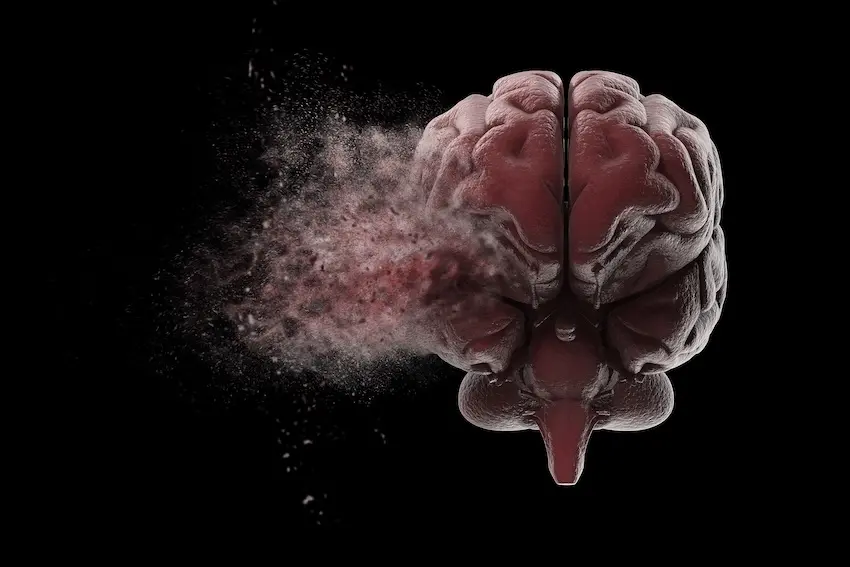
Why Concussions Are Often Missed or Misdiagnosed After Car Accidents
Many concussion victims do not realize they are injured because the symptoms do not appear immediately. You may feel fine at the scene, decline medical transport, and go home thinking you are lucky to have walked away unharmed. Hours or days later, the symptoms begin to surface, and by that time, you may not connect them to the crash.
Emergency room doctors are trained to look for life-threatening injuries like bleeding, fractures, and internal damage. If standard imaging does not show an obvious problem, they may send you home with instructions to rest and follow up if symptoms worsen. But a concussion is a brain injury, and rest alone is not always enough to prevent long-term complications.
Insurance companies use this delay in diagnosis to argue that your symptoms are not related to the accident or that your injury is not serious. This is why it is critical to seek medical evaluation as soon as you notice any symptoms, even if they seem minor at first.
What Happens If a Concussion Goes Untreated
Untreated concussions can lead to serious, long-term problems. Some people develop post-concussion syndrome, a condition where symptoms persist for weeks, months, or even years after the injury. This can include chronic headaches, memory problems, difficulty concentrating, and mood disorders that affect your ability to work, maintain relationships, and perform daily activities.
In some cases, a second concussion before the first has fully healed can result in second impact syndrome, a rare but potentially fatal condition where the brain swells rapidly. This is why returning to work, sports, or other high-risk activities too soon after a concussion can be dangerous.
The effects of a concussion are not always temporary. Some victims experience permanent cognitive impairment, personality changes, or chronic pain that never fully resolves. Early diagnosis and treatment give you the best chance of a full recovery, but even with treatment, some concussions result in lasting damage.
How Your Car Accident Lawyer Proves a Concussion Claim
Insurance companies frequently try to minimize or deny concussion claims because the injury is not always visible on imaging and symptoms can be subjective. Your car accident lawyer counters these tactics by building a case that documents the injury, connects it to the crash, and demonstrates the real impact it has had on your life.
Your Lawyer Obtains Medical Records and Expert Testimony
Your attorney will work with your treating physicians to obtain detailed medical records that document your symptoms, diagnosis, and treatment. In cases where imaging does not show visible damage, your lawyer may retain a neurologist or other medical expert who can explain how concussions occur, why they are not always visible on scans, and how your specific symptoms are consistent with traumatic brain injury.
Your Attorney Documents How the Injury Has Affected Your Daily Life
Concussions affect your ability to work, drive, care for your family, and perform everyday tasks. Your lawyer will gather evidence of these impacts, including statements from family members, coworkers, and employers who can testify to the changes they have observed in your behavior, memory, and cognitive function since the accident.
Your Car Accident Lawyer Connects the Injury to the Crash
The insurance company will try to argue that your symptoms are caused by something other than the accident. Your attorney counters this by showing that your symptoms began immediately after the crash, that they are consistent with the type of impact you experienced, and that you had no similar symptoms before the collision.
What You Should Do Right Now If You Suspect a Concussion
If you are experiencing any symptoms of a concussion after a car accident, do not wait to see if they improve on their own. Seek medical evaluation immediately. Tell your doctor exactly when the symptoms started, what you are experiencing, and that you were recently in a car accident. Even if the emergency room cleared you initially, follow up with your primary care physician or a neurologist if symptoms develop later.
Do not return to work, driving, or other activities that require concentration or physical exertion until a doctor clears you. Pushing through symptoms can make the injury worse and delay your recovery.
Document everything. Keep a journal of your symptoms, when they occur, and how they affect your daily life. This documentation will be critical if you need to file a personal injury claim.
Finally, contact a car accident lawyer before you speak with the insurance company. Adjusters will use your words against you, and they will try to get you to downplay your symptoms or agree to a settlement before you fully understand the extent of your injury.

AG Injury Law Fights for Car Accident Victims With Concussions
Concussions are serious injuries that deserve serious legal representation. At AG Injury Law, we have helped clients across Georgia recover compensation for traumatic brain injuries, including cases where insurance companies initially denied or undervalued the claim.
We know how to prove these cases, how to work with medical experts, and how to fight back when insurers try to minimize the impact of what you are going through. If you have been diagnosed with a concussion after a car accident or if you are experiencing symptoms that suggest a brain injury, call us today.
Contact AG Injury Law for a free consultation at (404) 551-2222 . No fees unless we win. We are available 24/7 and ready to fight for you.