
Emergency Room or Urgent Care? This Decision Affects Both Your Health and Your Legal Claim
You just walked away from a car accident. The adrenaline is still pumping. You feel shaken but relatively okay, maybe some soreness, nothing that seems urgent. Now you’re asking yourself: do I need the emergency room, or is urgent care enough?
This decision matters more than you might think. Where you seek treatment immediately after an accident affects not only your health but also the strength of your personal injury claim. Insurance companies scrutinize your medical choices, and the wrong decision can complicate your recovery, both physically and financially, and weaken your case if you need to hire a car accident attorney later.
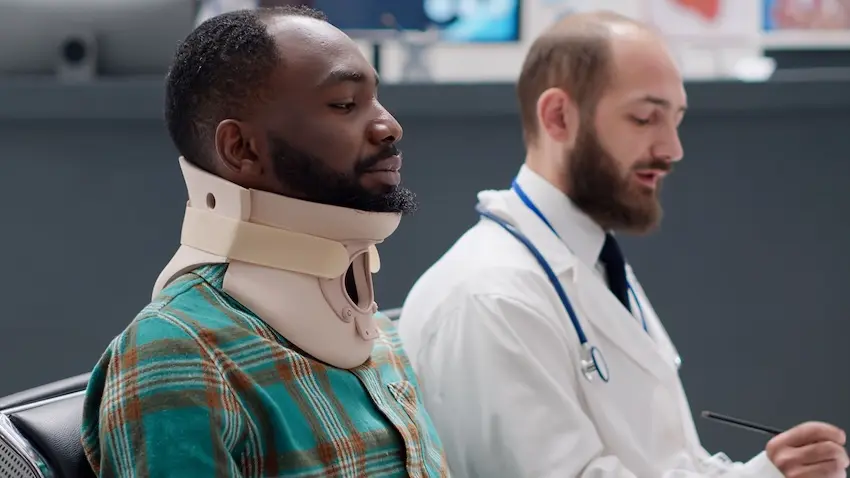
When You Need the Emergency Room
If you’re experiencing any of the following symptoms after a car accident, go directly to the emergency room. Do not pass urgent care. Do not wait to “see how you feel tomorrow.”
Loss of consciousness or confusion. Even a brief blackout or feeling disoriented signals a potential traumatic brain injury or concussion. These conditions require immediate imaging and monitoring that only an ER can provide.
Severe pain in your head, neck, or back. Spinal injuries and brain trauma can worsen rapidly without proper stabilization. Emergency departments have the equipment and specialists to assess these injuries immediately.
Chest pain or difficulty breathing. These symptoms can indicate internal injuries, broken ribs, or lung damage, all life-threatening conditions that demand emergency intervention.
Numbness, tingling, or weakness in your limbs. Loss of sensation or motor control suggests nerve damage or spinal cord injury. Delays in treatment can lead to permanent disability.
Bleeding that won’t stop, deep cuts, or visible bone. Severe lacerations and open fractures need surgical intervention and wound management beyond urgent care capabilities.
Severe abdominal pain. Internal bleeding from organ damage may not be immediately obvious, but abdominal pain after impact is a red flag that requires emergency evaluation.
Signs of shock. Pale skin, rapid pulse, shallow breathing, or feeling faint indicate your body is in distress. Shock is a medical emergency.
The emergency room has trauma teams, surgeons, advanced imaging (CT scans, MRIs), and the ability to admit you for observation or surgery if needed. If there’s any doubt about the severity of your injuries, the ER is the safer choice. Your car accident lawyer will use emergency room documentation to prove the severity of your injuries, which is why ERs create stronger evidence for legal claims than urgent care visits.
When Urgent Care Is Appropriate
Urgent care centers are designed for injuries that need prompt attention but aren’t life-threatening. If your symptoms fall into this category, urgent care can provide faster, more affordable treatment without the long ER wait times.
Minor cuts and scrapes that need cleaning or stitches. If bleeding is controlled and the wound isn’t deep, urgent care can handle sutures and wound care.
Suspected sprains or minor fractures. Urgent care facilities have X-ray capabilities and can splint or brace injuries. If the fracture appears severe or involves the spine, neck, or skull, go to the ER instead.
Mild to moderate whiplash symptoms. Neck stiffness and soreness that develops hours after the accident can be evaluated at urgent care, where providers can assess your range of motion and order imaging if needed.
Bruising and soft tissue injuries. If you have significant bruising or muscle pain but no signs of internal injury, urgent care can document your injuries and provide initial treatment.
Follow-up after ER discharge. If you were already evaluated in the emergency room and need continued monitoring or wound checks, urgent care can handle follow-up appointments.
The advantage of urgent care is speed and cost. You’ll typically be seen within an hour, and the bill will be substantially lower than an ER visit. However, urgent care has limitations: they can’t perform major surgery, don’t have specialists on staff 24/7, and can’t admit you for overnight observation. From a legal standpoint, injury lawyers find that urgent care records, while still valuable, often lack the depth of diagnostic testing that strengthens settlement demands.

Why Your Treatment Choice Affects Your Legal Claim
Beyond your immediate health concerns, your choice between the ER and urgent care has significant legal implications for any car accident claim you might file.
Insurance adjusters pay close attention to where you sought treatment and how quickly you did so. Their goal is to minimize payouts, and they’ll use gaps or inconsistencies in your medical records to argue your injuries aren’t serious.
Delayed treatment weakens your claim. If you wait days or weeks to see a doctor, the insurance company will argue your injuries weren’t caused by the accident. Seeking care immediately (whether ER or urgent care) creates a clear timeline linking your injuries to the collision. When in doubt, choose the ER.
ER visits carry more weight. Going to the emergency room signals that you believed your injuries were serious. This perception matters in settlement negotiations. If you chose urgent care when ER-level symptoms were present, adjusters may claim you’re exaggerating your condition now.
Documentation is everything. Both ERs and urgent care centers create medical records, but emergency departments tend to be more thorough with imaging, testing, and detailed notes. These records become evidence your car accident attorney uses to prove the extent of your injuries and justify your compensation demand.
Undertreatment can cost you later. If you minimize your symptoms and go to urgent care when you needed the ER, you might miss critical diagnoses. Injuries like internal bleeding, concussions, or spinal damage that go untreated initially can worsen, and the insurance company will argue those complications weren’t caused by the accident.
This is why experienced car accident lawyers advise clients to err on the side of caution: if you’re unsure whether your symptoms warrant the ER, go to the ER. The stronger medical documentation now makes for a stronger legal claim later.
What Happens If You’re Not Sure
If you’re genuinely uncertain whether your injuries are serious enough for the emergency room, here’s the safest approach: start with the ER.
Emergency room physicians are trained to rule out life-threatening injuries first. If they determine your condition is stable and doesn’t require emergency intervention, they’ll treat you and send you home with instructions for follow-up care. You haven’t wasted anyone’s time; you’ve protected your health and created a thorough medical record.
Urgent care, on the other hand, can’t rule out serious injuries as definitively. If the urgent care provider suspects something beyond their scope, they’ll send you to the ER anyway, meaning you’ve now delayed treatment and have two separate sets of medical records to coordinate.
When in doubt, choose the higher level of care. Your attorney can explain the medical billing later, but you can’t undo the consequences of untreated injuries.
Common Injuries That Seem Minor But Aren’t
Some car accident injuries don’t announce themselves dramatically. You might feel mostly fine immediately after the crash, only to discover hours or days later that something is seriously wrong.
Concussions and traumatic brain injuries often present with delayed symptoms. You might experience headaches, dizziness, memory problems, or mood changes hours after impact. According to the Centers for Disease Control and Prevention, even mild traumatic brain injuries require medical evaluation to prevent complications.
Internal bleeding from organ damage can be slow and subtle. You might feel vague abdominal discomfort that gradually worsens. By the time the pain becomes severe, you’ve lost critical treatment time.
Whiplash and soft tissue injuries are notorious for delayed onset. The neck pain and stiffness you barely notice the day of the accident can become debilitating within 24 to 48 hours as inflammation sets in.
Herniated discs and spinal injuries may not cause immediate paralysis or obvious symptoms. You might feel manageable back pain initially, unaware that a vertebra is fractured or a disc is compressing your spinal cord.
This delayed symptom pattern is why medical professionals and attorneys both recommend seeking evaluation immediately after any car accident, even if you feel fine. Early intervention catches these injuries before they become emergencies.
What to Tell Medical Providers
Whether you choose the ER or urgent care, be thorough and honest about your symptoms. Don’t downplay pain or discomfort because you’re worried about overreacting.
Tell the medical staff:
- Exactly how the accident happened (rear-end collision, T-bone, rollover, etc.)
- What you felt immediately after impact
- Any symptoms you’re experiencing now, even if they seem minor
- Whether you lost consciousness, even briefly
- Any areas of pain, numbness, or restricted movement
Medical providers need this information to assess your injuries accurately. Your attorney needs the medical records that result from this conversation to build your case. Leaving out details because they seem insignificant can hurt both your health and your legal claim.

When to Contact a Car Accident Lawyer About Your Injuries
Once you’ve received medical treatment, your next call should be to a personal injury attorney. Insurance companies will contact you quickly, often within 24 hours, hoping to settle your claim before you understand the full extent of your injuries or consult a lawyer.
Don’t give recorded statements or accept settlement offers without legal representation. What sounds like a fair offer now might not cover your medical bills once follow-up treatment, physical therapy, and lost wages are factored in.
AG Injury Law has helped countless car accident victims navigate both their medical treatment and their legal claims. Our track record of successful settlements shows that clients who document their injuries properly from day one recover significantly more compensation. We work with clients to ensure they receive appropriate care and that their medical documentation supports the compensation they deserve.
If you’ve been injured in a car accident and you’re unsure whether you received the right level of medical care, or if insurance adjusters are pressuring you to settle, contact us today. Learn more about how we protect accident victims’ rights or schedule your free case review now.
Call (404) 551-2222 for immediate assistance. We work on contingency, which means you pay nothing unless we recover compensation for you.
Don’t let insurance companies minimize your injuries or rush you into a settlement that doesn’t cover your losses. Get the medical care you need and the legal representation you deserve.
Serving Atlanta, Decatur, and surrounding Georgia communities